
Can an Ultrasonic Tooth Cleaner Damage Enamel or Gums? | SmileAura
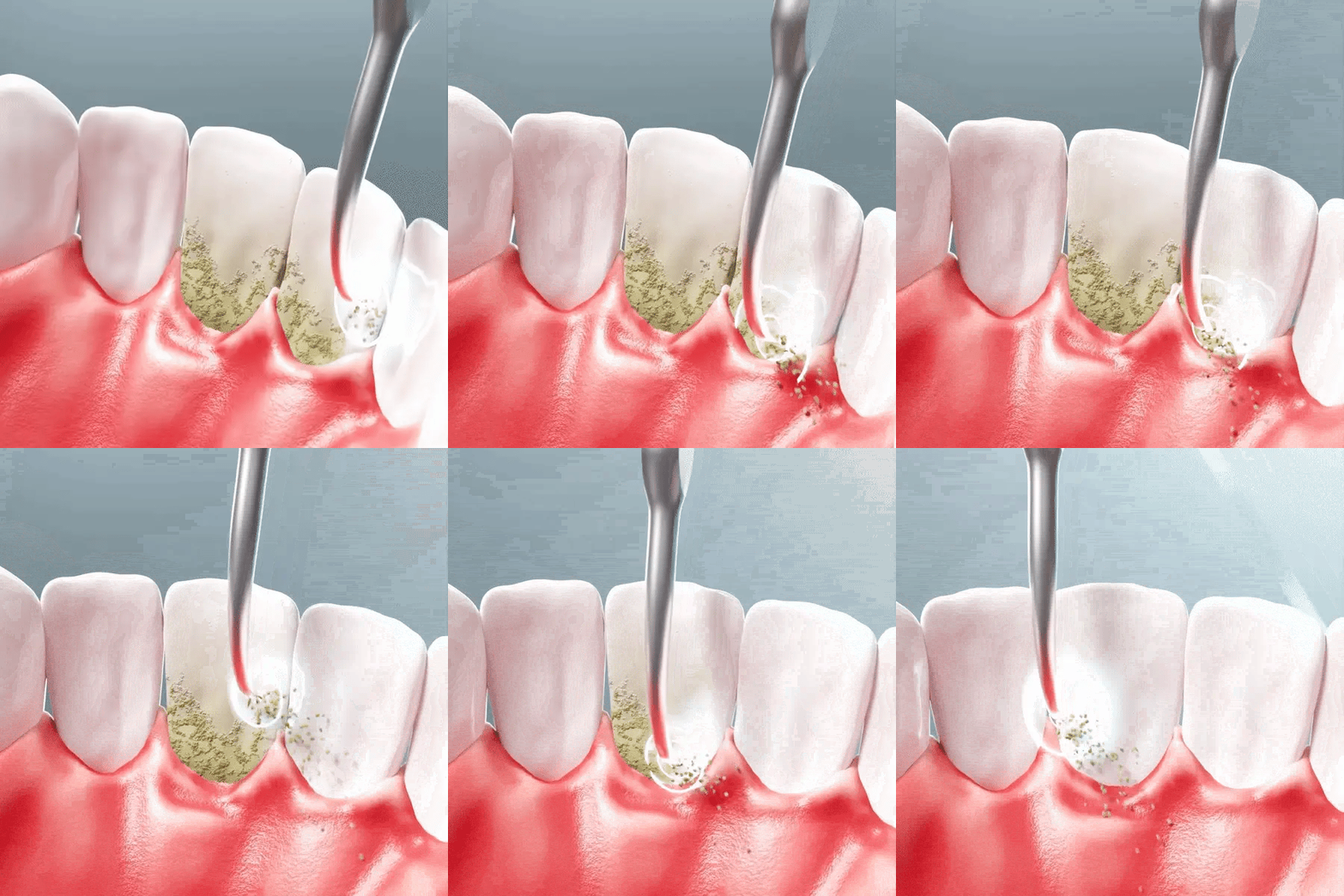
An ultrasonic tooth cleaner is easy to use, but technique matters. Most problems people report come from pressing too hard, using it too often, or going near the gums. Follow these steps and you'll get a better clean while protecting your enamel and gums.
Before you start
- Check it's right for you. It's designed for adults with natural teeth. If you have crowns, veneers, implants, braces, gum disease or sensitive teeth, ask your dentist first. [link: Article 4]
- Charge it fully. A low battery can give uneven vibration.
- Check the tip. Make sure it's clean, tightly fitted and not bent or worn.
Step 1: Brush and floss first
Brush for two minutes and clean between your teeth as normal. This removes loose food and soft plaque, so the cleaner only has to deal with what's left.
Step 2: Choose the lowest setting
Always start on the lowest intensity, even if you've used one before. Only move up a level if the lower setting isn't shifting surface stains after a few sessions, and only if it feels comfortable.
Step 3: Use a mirror and good light
Stand at a well-lit mirror. A dental mirror helps you see the backs of your lower front teeth, the spot where buildup most often collects. SmileAura's built-in LED lights up the tooth you're working on.
Step 4: Hold the tip at a shallow angle
Hold the tip almost flat against the tooth surface, at a shallow angle, never pointing straight in. The side of the tip should do the work, not the point.
Step 5: Glide, don't press
Use light, short strokes and keep the tip moving. Let the vibration do the work. If you're pressing, scraping or holding it in one spot, you're doing too much.
Step 6: Stay away from the gumline
Keep the tip on the visible tooth surface only. Never push it under or into the gums. Cleaning below the gumline is a job for your hygienist.
Step 7: Rinse and finish
Rinse your mouth with water. Rinse the tip, wipe the handle, and store it dry in its case.
How often and how long?
Once or twice a week is plenty for most people, with each session under ten minutes. It's a top-up tool, not a daily one. More often doesn't mean better results, and it raises the risk of sensitivity.
Common mistakes to avoid
- Starting on a high setting
- Pressing hard or scraping
- Using the point of the tip
- Going under the gums
- Using it on crowns, veneers or fillings without checking with your dentist
- Using it daily
- Ignoring pain, bleeding or sensitivity
When to stop and see a dentist
Stop using the cleaner and book a check-up if you notice gum bleeding that doesn't settle, pain, new sensitivity to hot or cold, a chipped tooth, or anything loose. These are signs you need a professional to take a look.
Want to know more about the risks? Read our honest guide to ultrasonic tooth cleaner safety. [Article 1]
The SmileAura Ultrasonic Tooth Cleaner has five intensity modes, a built-in LED and a smart sensor that stops on soft tissue. Shop now.